Before the Image Moves
Why cels, douga and genga deserve to be seen as original art, and why the names behind the moving image matter.
All Journal stories →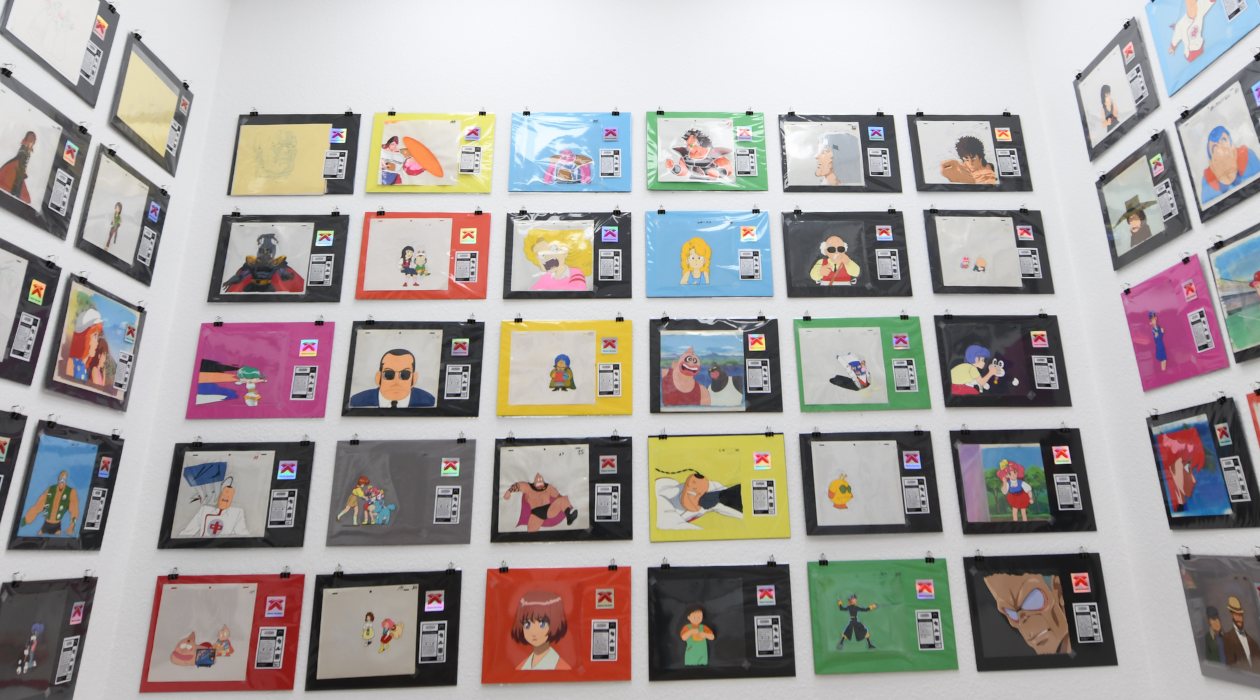
Traditional Japanese animation existed first as drawing, paint and physical matter. The moving image came later.
The artwork before projection
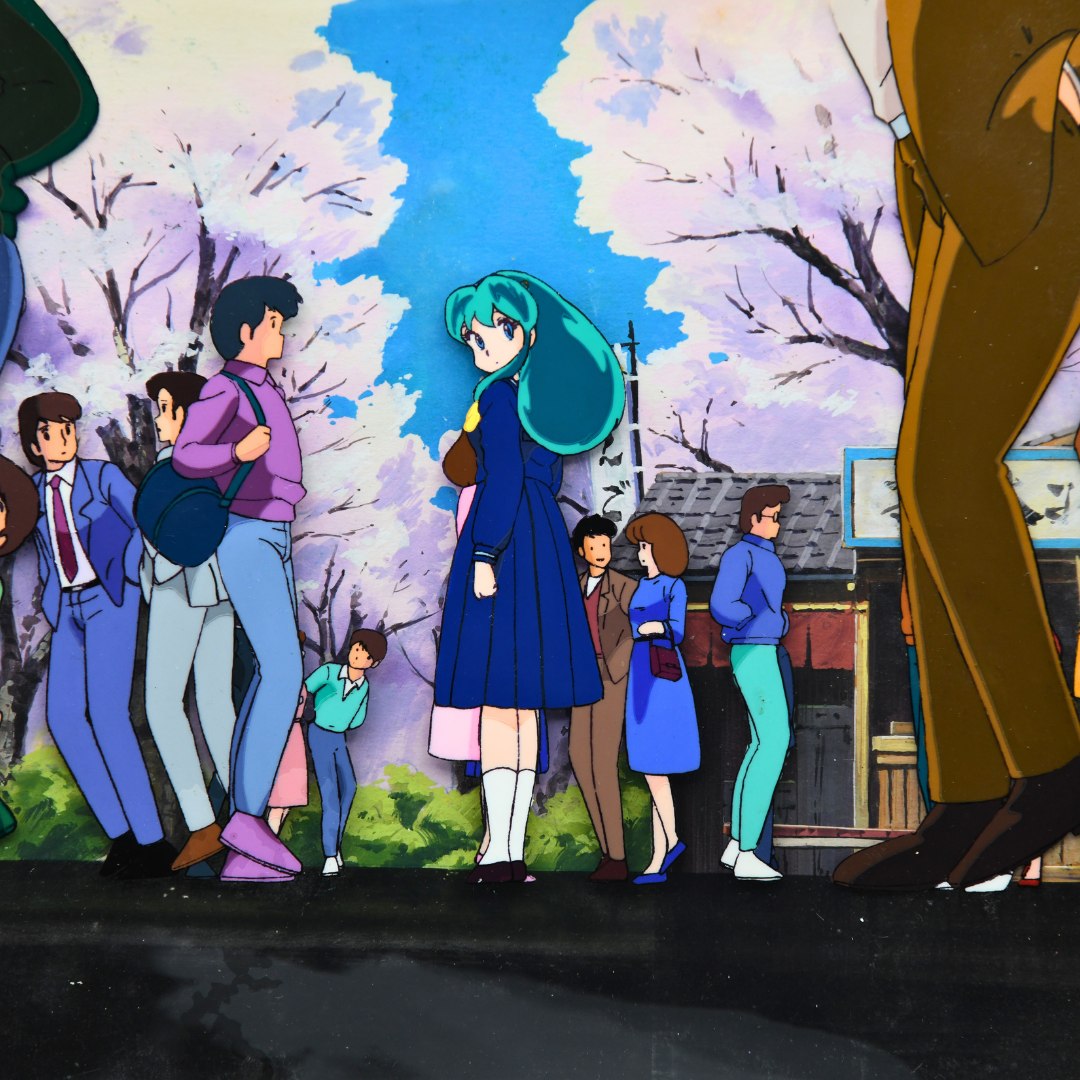
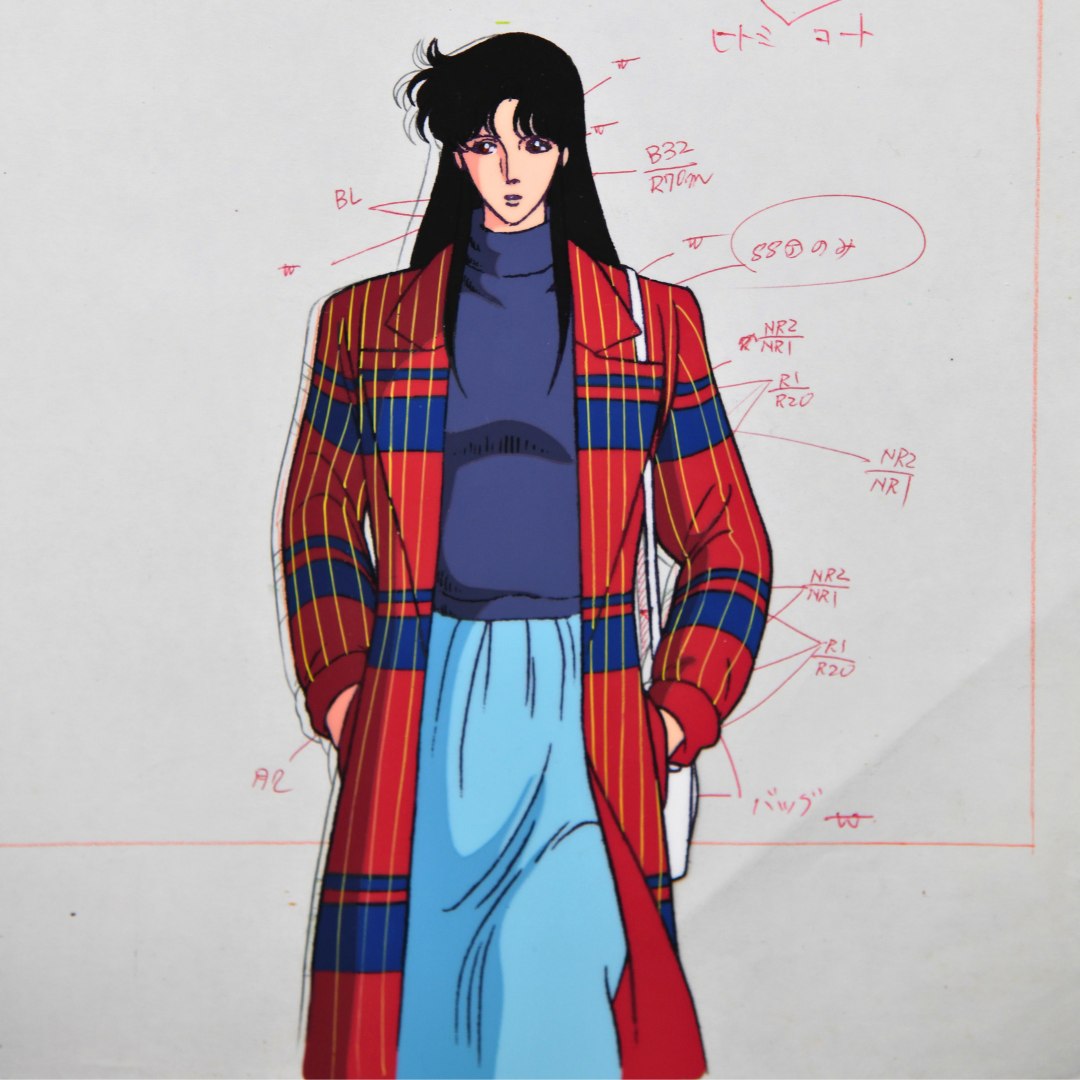
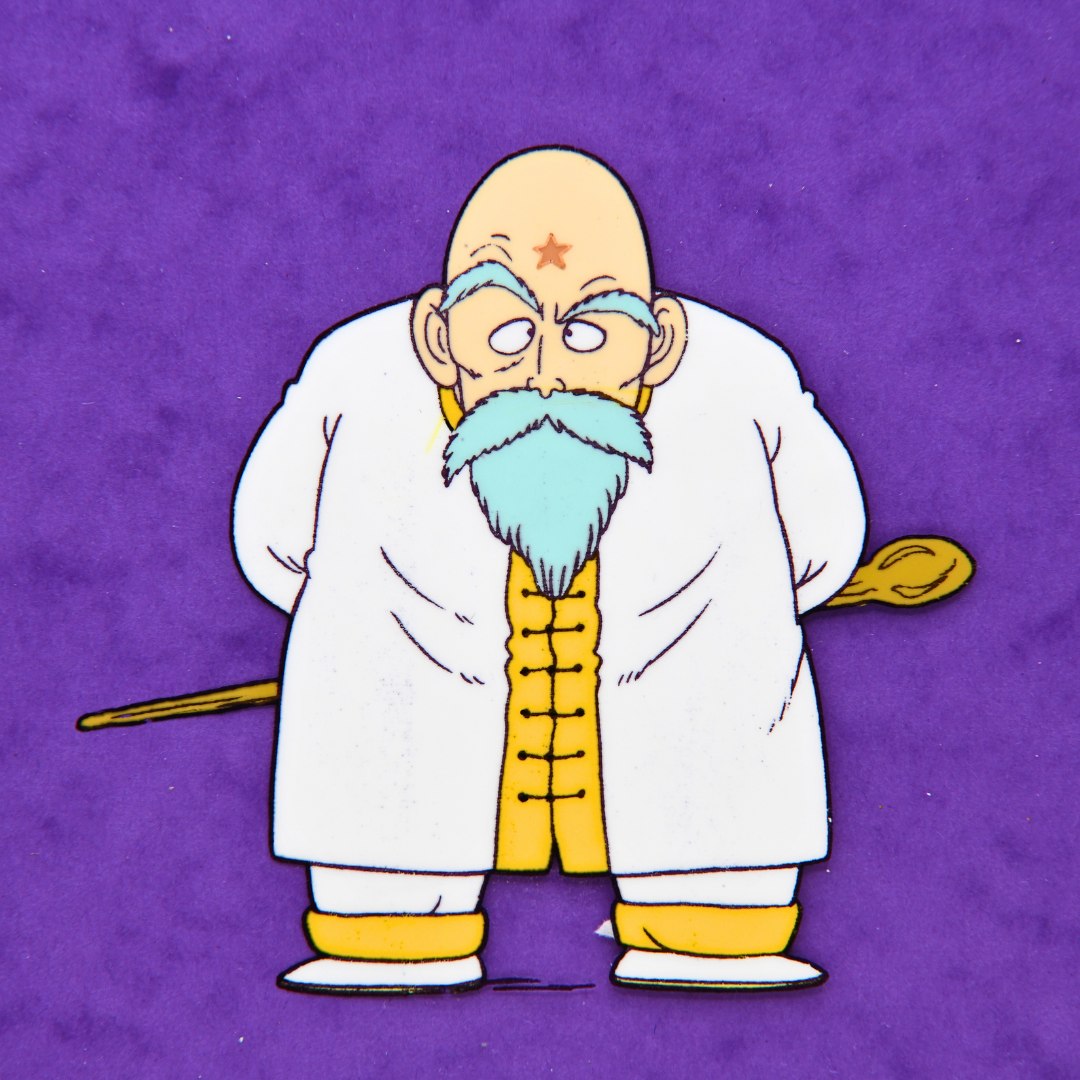
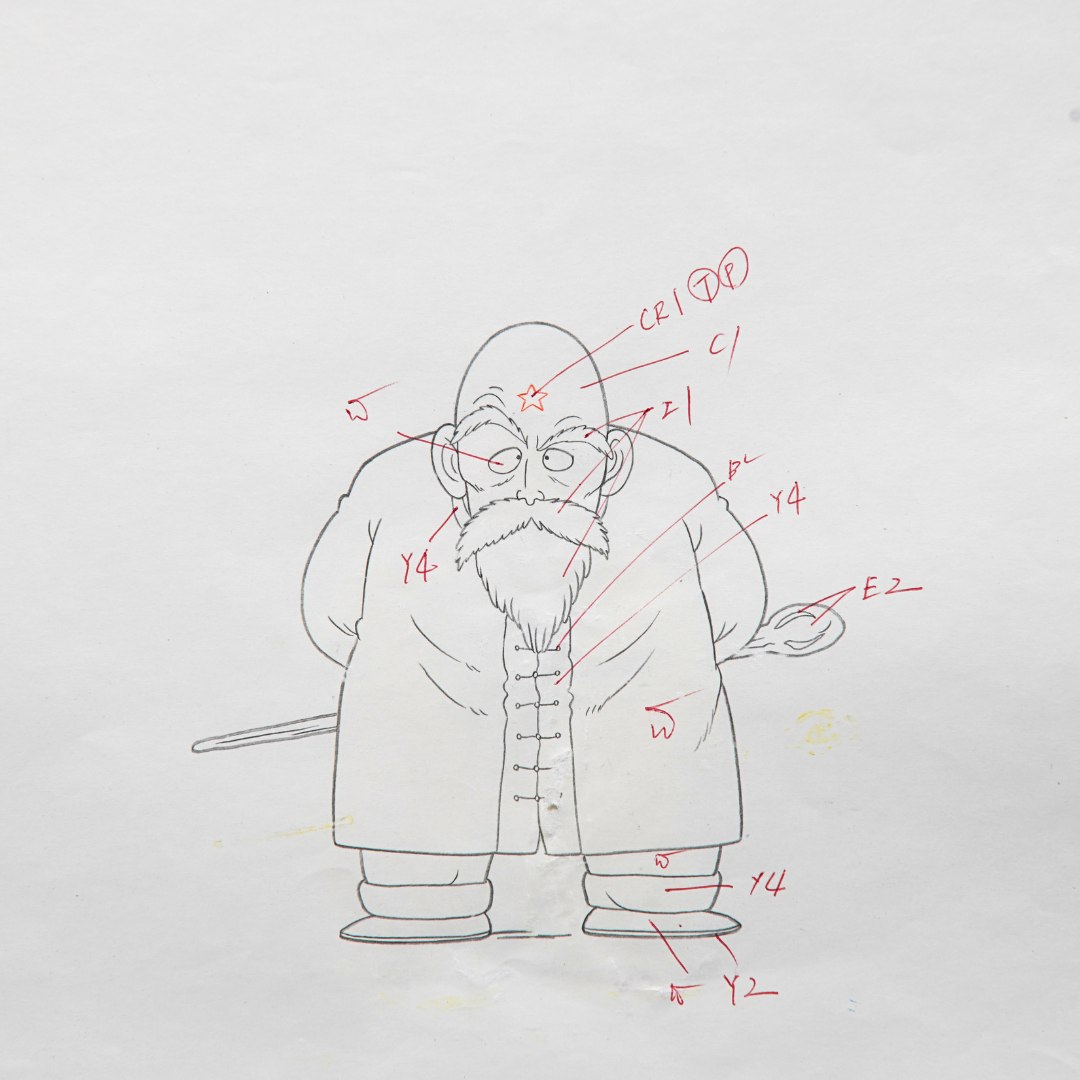
A genga establishes a key pose and the force of an expression. A douga refines that drawing for production. Selected images are transferred to transparent sheets, painted by hand and photographed with backgrounds and effects.
Registration holes, sequence numbers, corrections, paint edges and studio notes are not defects to hide. They are evidence of how the image was made. A cel or production drawing is therefore not a reproduction of animation. It is one of the physical objects from which the animation was built.
From the JournalThe gallery does not make animation art respectable. The work already has artistic force.
Who made the image?
Authorship in animation is more complex than the title of a famous series suggests. The creator of a manga may define the world and its characters, while the animated adaptation is shaped by character designers, animation directors, key animators, clean up artists, cel painters and background artists.
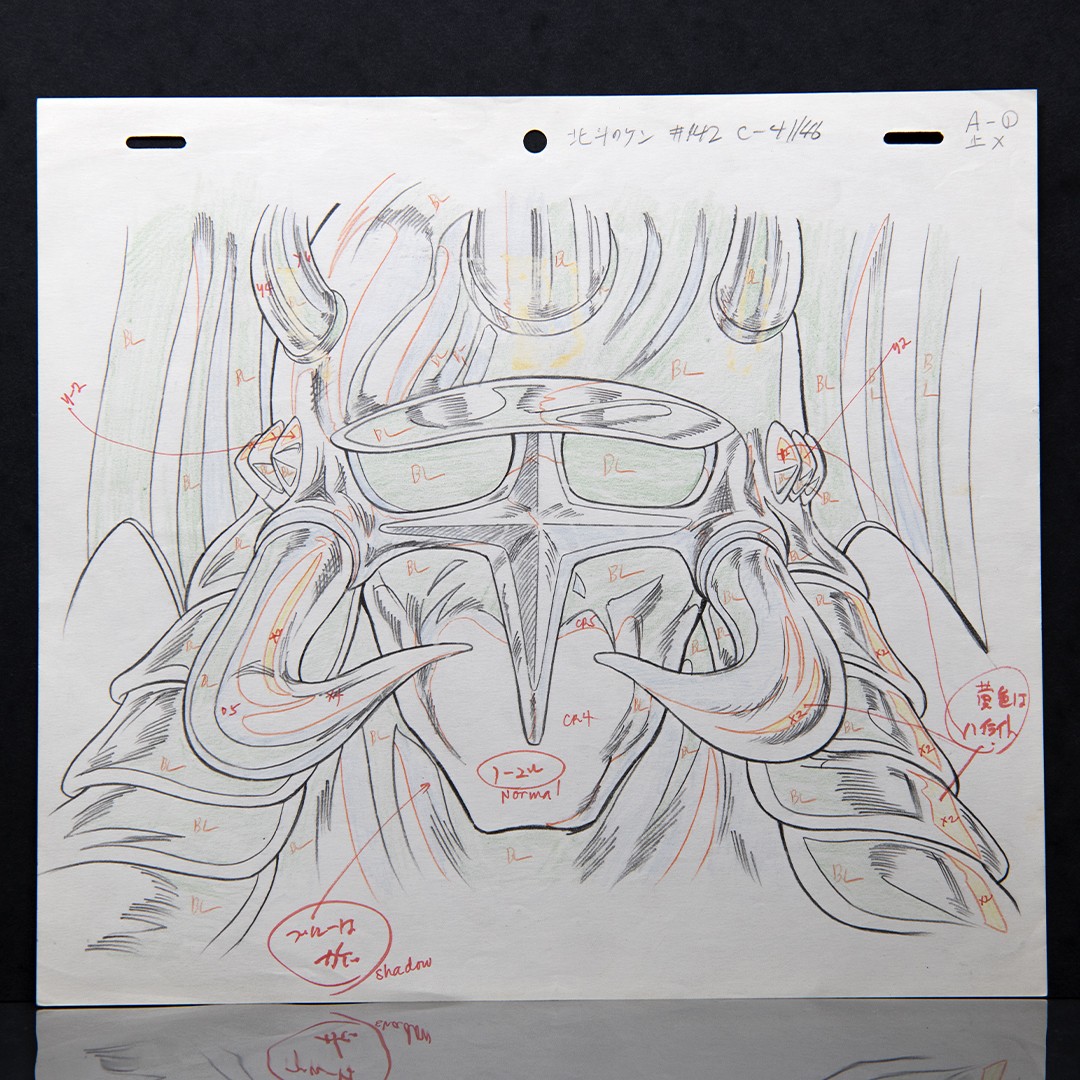
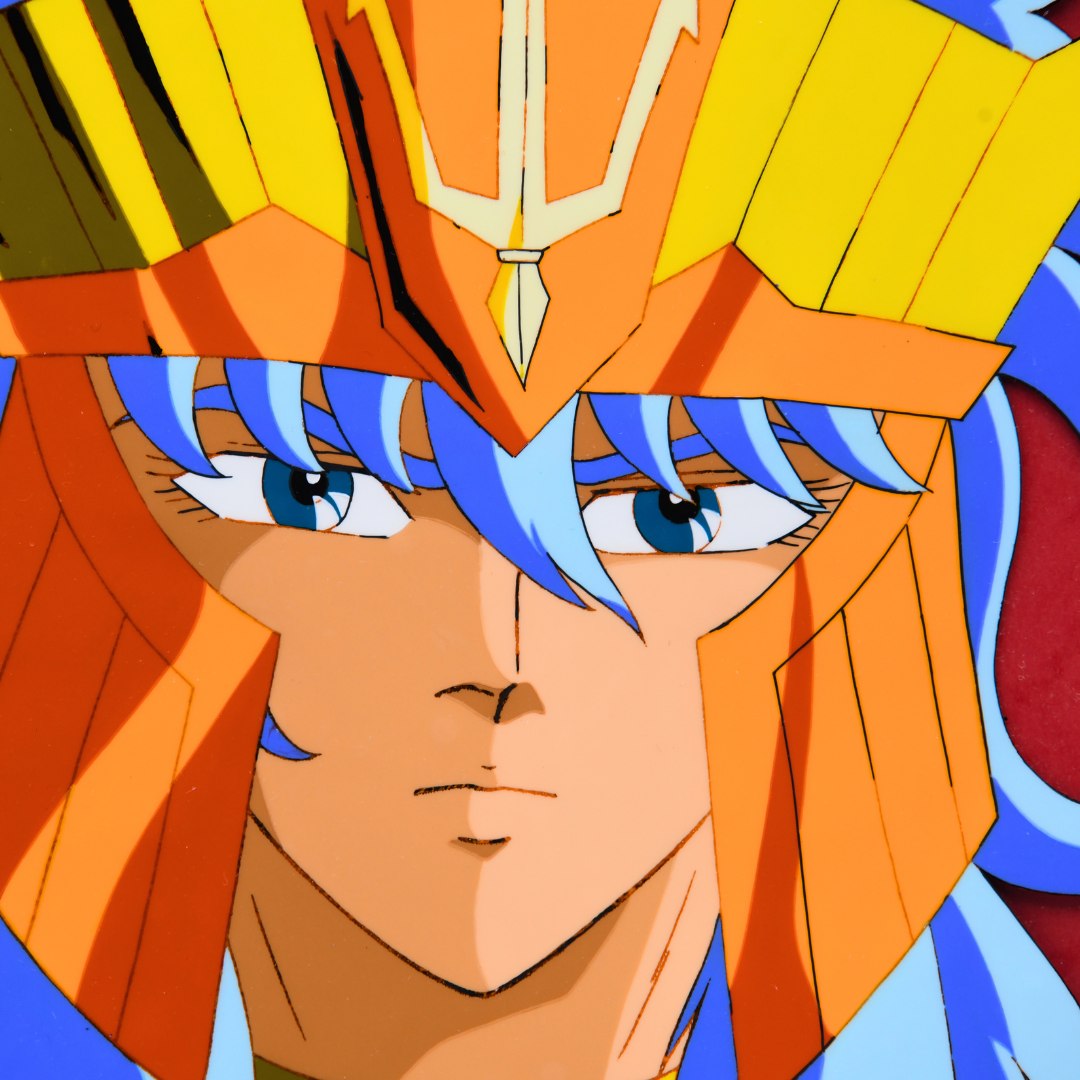
Hokuto no Ken begins with Buronson and Tetsuo Hara, but Masami Suda translated Hara’s dense drawing into a language that could move while preserving its force. Saint Seiya originates with Masami Kurumada, while Shingo Araki and Michi Himeno gave the anime its unmistakable elegance and expressive faces. These distinctions matter because they let us recognise the artists who actually shaped the image we remember.
Beyond memorabilia
We do not see original animation art as merchandise or as a secondary trace of television. These are unique physical works that carry pencil pressure, painted colour, correction marks and the rhythm of a hand.
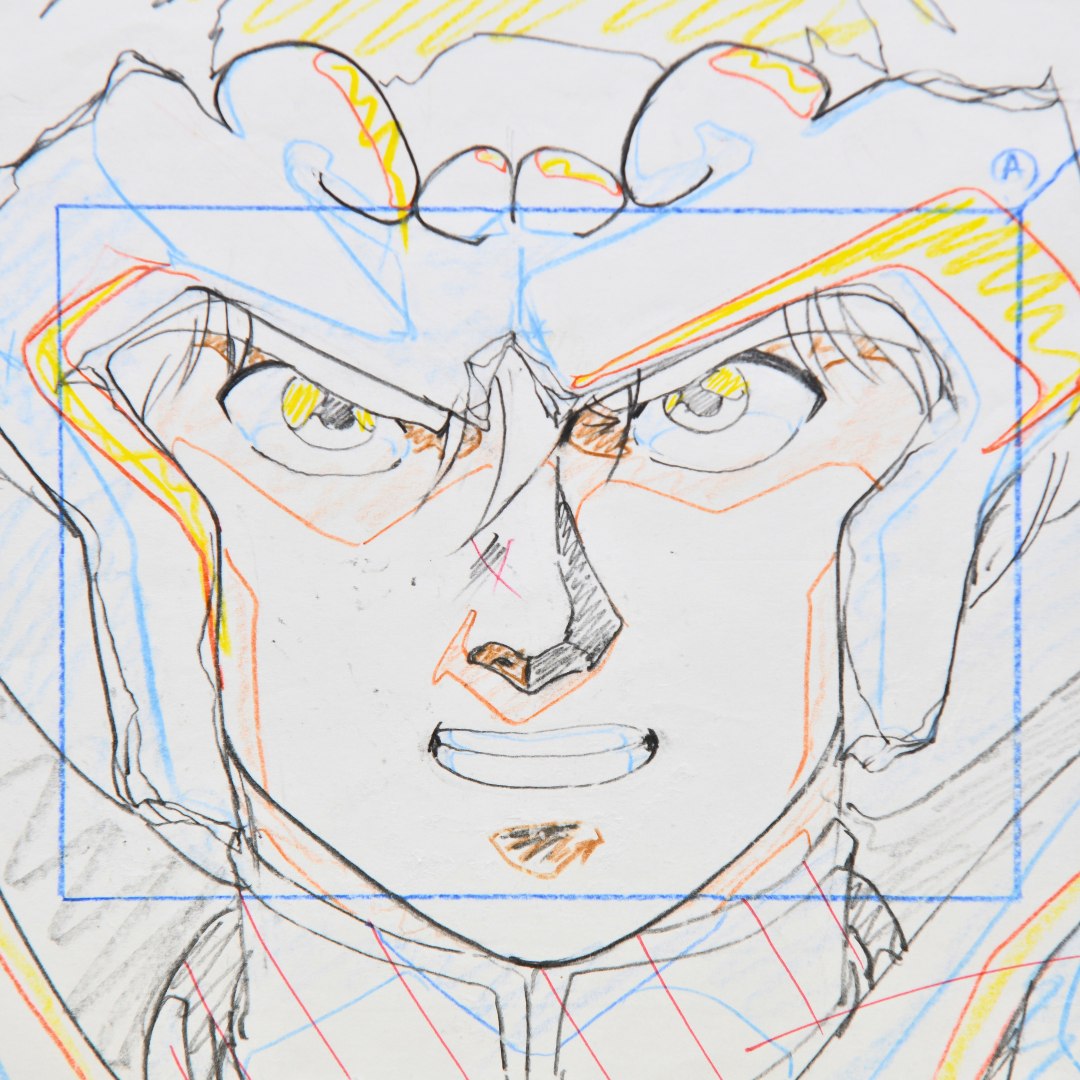
Removed from the speed of projection, a single frame can be looked at slowly. Composition, silhouette, colour, gesture and surface become visible in a new way. A rough drawing can reveal more about an animator’s intelligence than a perfectly finished image. A hand painted background can stand alone as a landscape.
A collection built through looking
The Mauer collection spans more than one hundred series, films and original video animations, but quantity is not the point. We choose works for the strength of the image, the quality of the drawing, the presence of the character, the rarity of the production material and the story it can tell about animation.
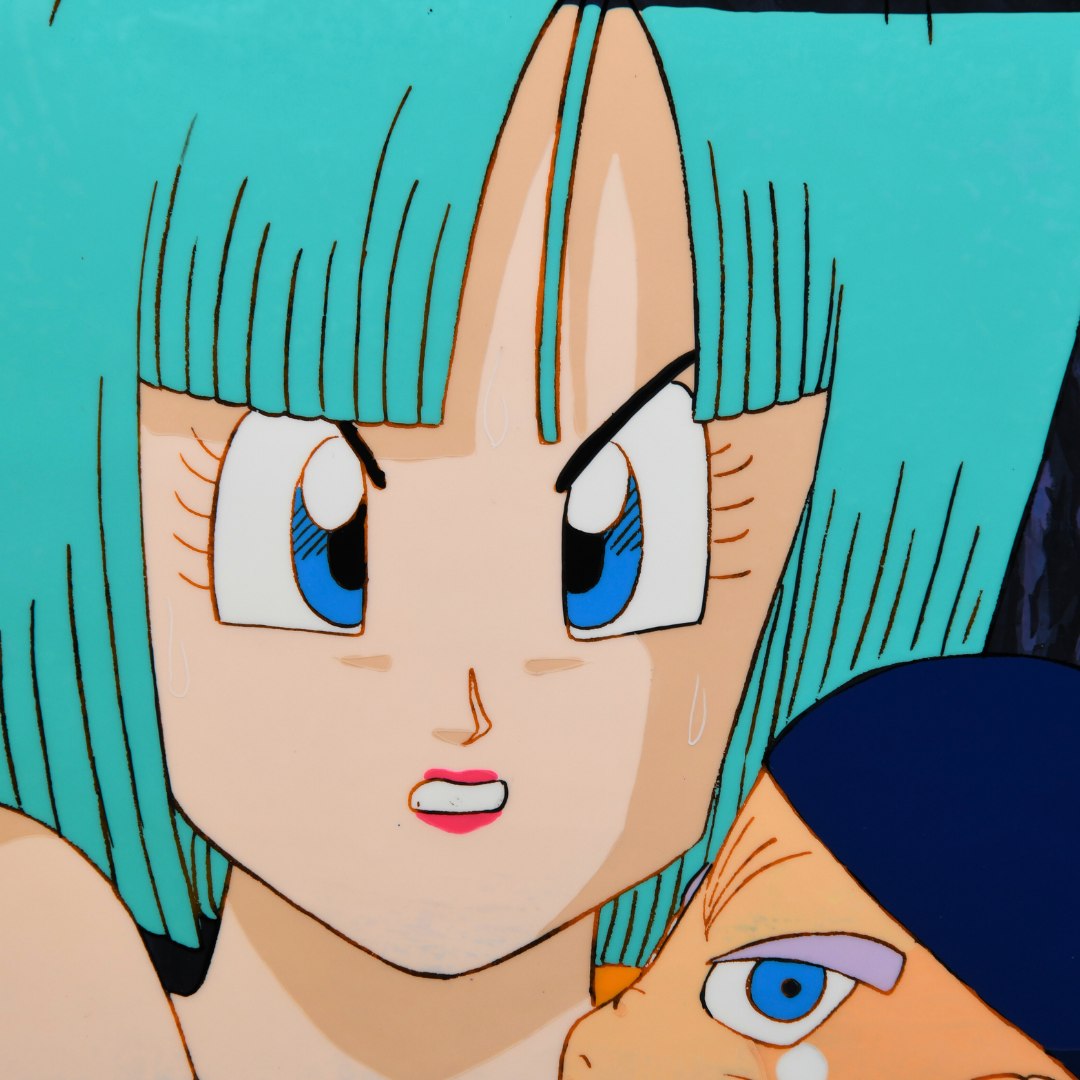
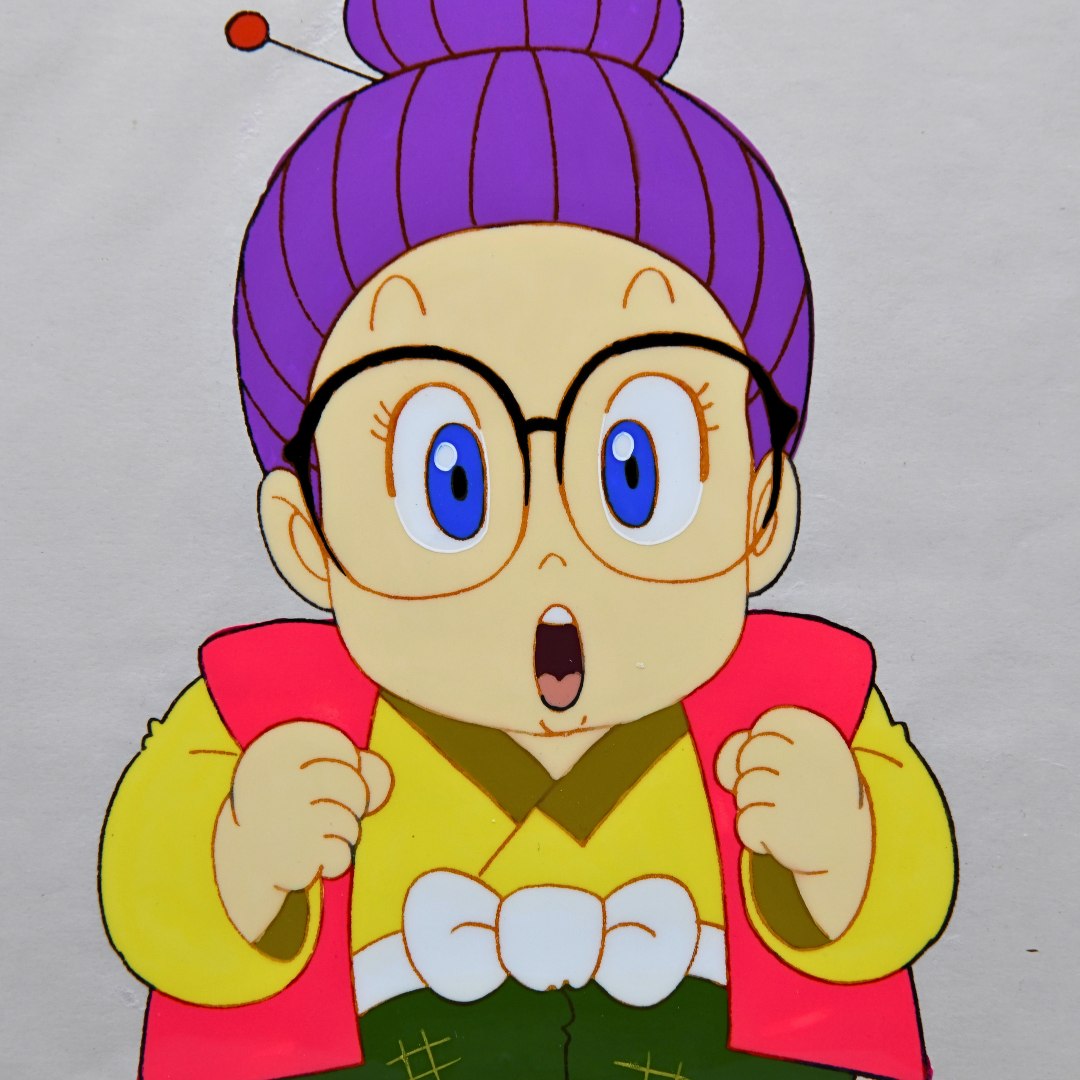
We are interested in Akira Toriyama, Rumiko Takahashi, Gō Nagai, Leiji Matsumoto and Tetsuo Hara, but also in the designers and animators whose names are less visible to the public. The collection is a way of bringing those roles back into view.
Why show it in a gallery?
Showing a cel or douga in a gallery is not an attempt to borrow prestige from fine art. It is a way of giving the object enough space and time to be seen for what it already is.
Animation is one of the most influential visual cultures of the last half century. Its original materials deserve the same close attention we give to drawing, painting, photography or print. The gallery simply changes the speed of looking.
Inside the Install
How an exhibition changes when the work finally meets the room.
Read next story →